 531-355-1234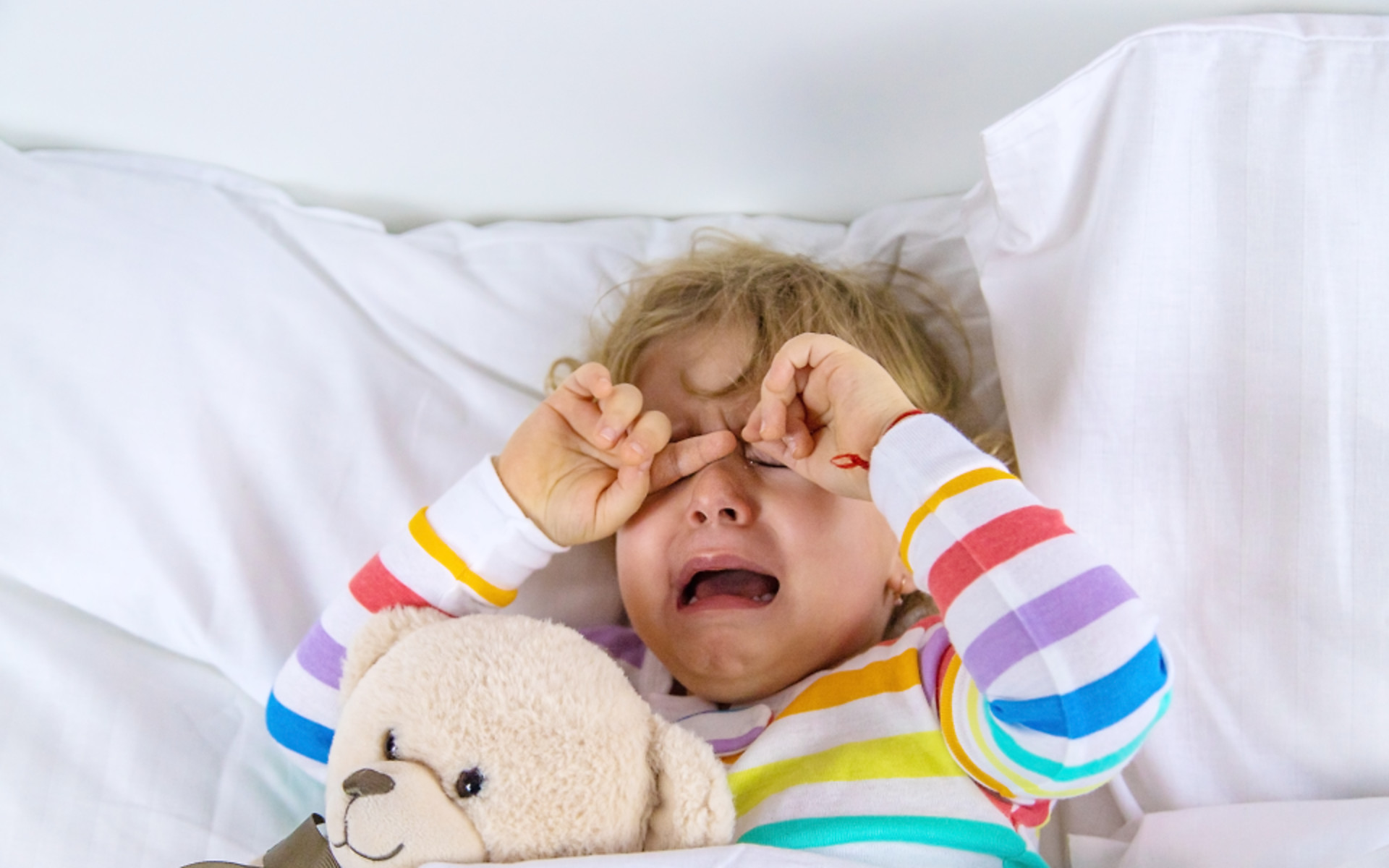
Night terrors are a benign sleep disorder in children that typically occur between the ages of one and eight. They usually happen about two hours after a child falls asleep. During a night terror, a child may suddenly wake up screaming or wandering around. Although they appear to be awake, they are not truly conscious and often do not recognize familiar people.
Children’s eyes may be open during a night terror, which can be frightening and confusing for parents. Despite this, the child will have difficulty recognizing others or following directions. The exact cause of night terrors is unknown, but sleep deprivation is known to make them more likely.
The best way to respond to a night terror is with calm reassurance. Do not try to wake the child. Instead, turn on a light, speak in soft, muted tones, and gently hold their hand. The goal is to help them return to sleep as quickly and peacefully as possible.
Sleep deprivation is one of the main triggers of night terrors, so ensuring that a child is well-rested is the best way to prevent them. Night terrors affect about two percent of the pediatric population. Most children outgrow them, and they tend to become less frequent as children reach older school-age years.
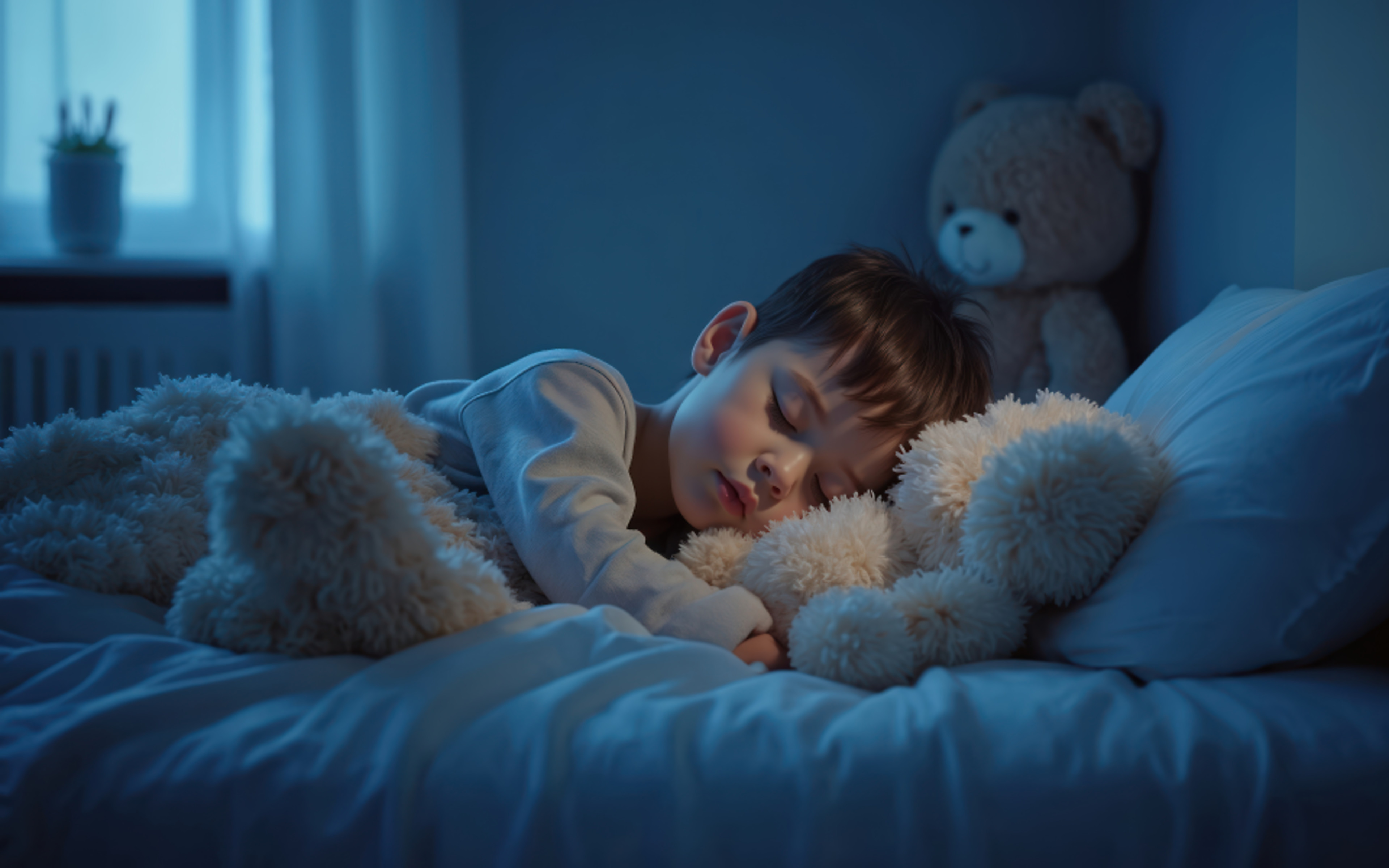
A few hours after your child has gone to sleep for the night, you hear a shrill scream coming from his room, followed by “Mommy, Mommy!” You race to your child's room and notice him sitting up in bed, crying uncontrollably. As you come closer to console him, he pushes you away and continues to call out for his mommy—not recognizing that you are right by his side. This scary synopsis is the result of a night terror.
Recognizing Night Terrors
Children with night terrors scream or cry out and are inconsolable – even though they may be calling out for the very person who is trying to help. This is because, although he may be wide-eyed and possibly out of bed flailing his arms and body, a child experiencing a night terror is still asleep.
Night terrors are most common in children between the ages of 3 and 5 because this is the age when the majority of children make the transition from one nap a day to no naps at all. The terrors are a result of the child not being able to go through the sleep cycle properly. Children who become overly tired will fall into a deep sleep very quickly, and when it's time for the sleep cycle to change, part of the child's brain wants to remain in this deep sleep—forcing a battle in the sleep cycle.
As quickly as the terror begins, in a few minutes it is over and the child goes back to sleep. Unlike a nightmare, the child does not remember the night terror the next morning.
Treating Night Terrors
Make sure the bedroom or area where the child sleeps is safe, just in case he starts sleepwalking. Talk slowly in a soft and comforting voice, play lullaby music or read from a favorite book to help bring your child back to a calm state. Cuddling with your child may actually prolong the terror episode. During a night terror, your child is feeling trapped or chased, and holding him will reinforce these feelings, making the night terror more traumatic.
Because night terrors typically occur at the same time every night, parents can be proactive by waking up their child about 30 minutes before the terror is likely to occur. This will break the sleep cycle. Stay up with your child for about five minutes reading a book, talking or singing a song.
Your child will not remember the night terror the next morning. Do not discuss the terror with your child, and talk to siblings about not bringing up the episode.
Preventing Night Terrors
Prevention involves understanding your child's daily tolerance level and not overloading your child with a busy schedule. If your child has a particularly busy day, you might consider adding a nap during the day or having the child go to bed a little early the night before.
Pay attention to sleep patterns and keep a routine sleep schedule. Try taking your child to the bathroom before bed to relieve any urges in the middle of the night, and create a calming and comforting bedtime routine with music, stuffed animals or a favorite blanket.
If you are concerned that your child may have night terrors or reoccurring nightmares, talk to your child's physician.
You may also like these
See All