 531-355-1234
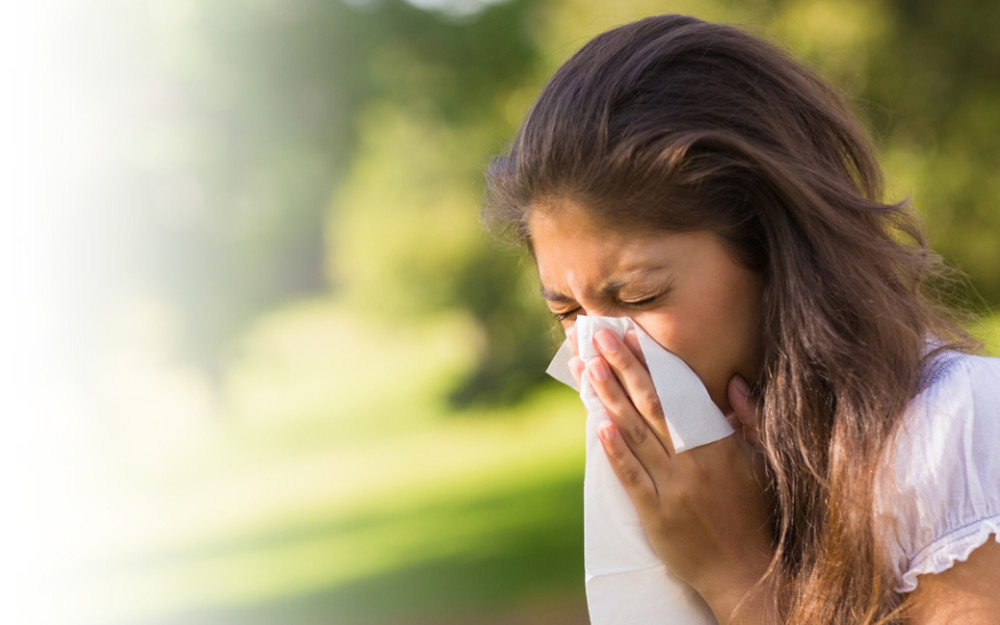
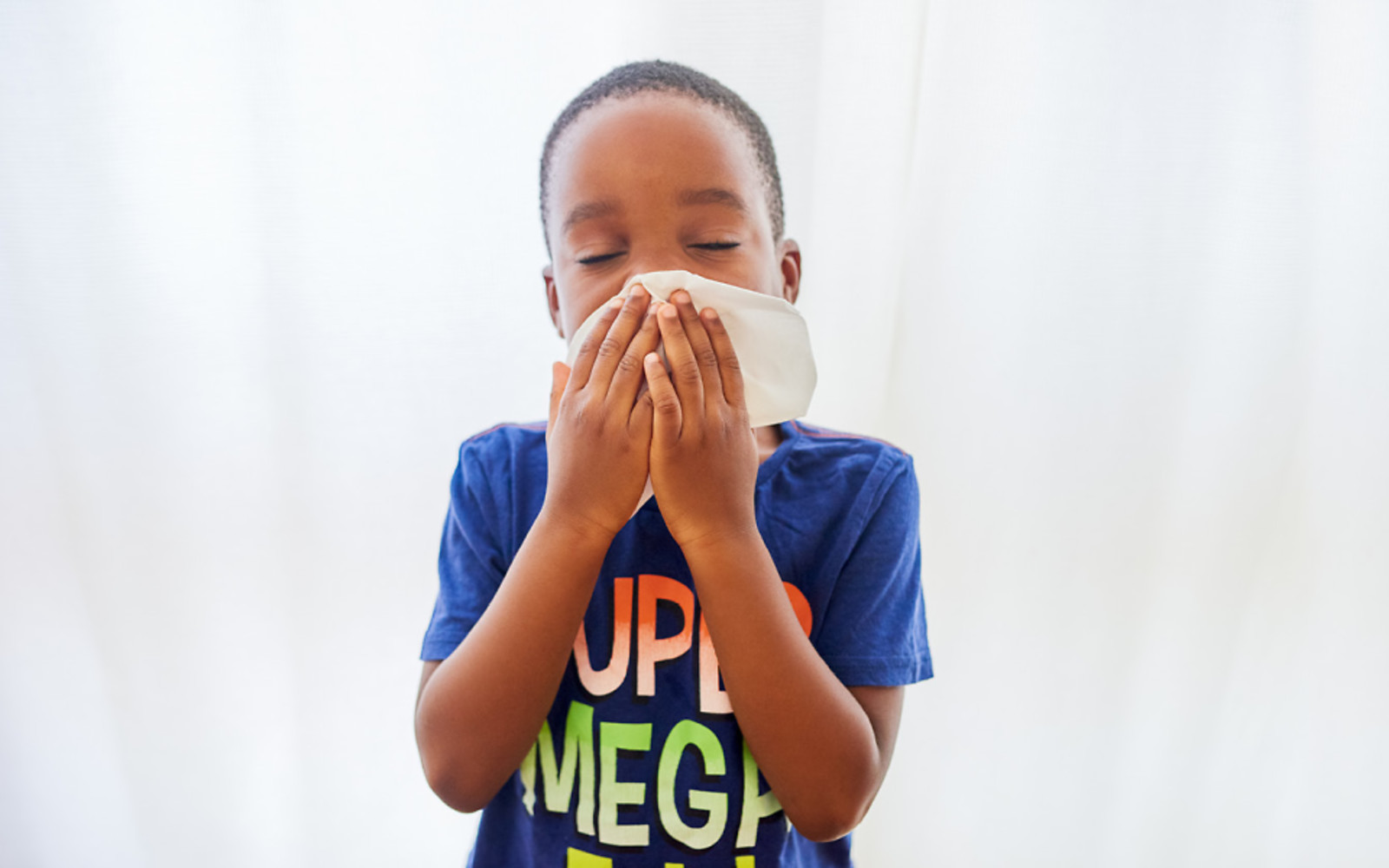
As spring rolls around, many children begin experiencing nasal stuffiness, sneezing, runny noses and itchy noses, eyes and/or ears. If your child begins to experience any of these symptoms, it is likely that he or she is suffering from seasonal allergies. Otherwise known as hay fever, seasonal allergies can affect anyone regardless of age, gender, race or socioeconomic status.
When allergies strike, the body reacts to an airborne particle, such as pollen or mold, by releasing histamines and other chemicals. The histamines then inflame the nose and airways, and the chemicals trigger the symptoms of hay fever.
The most common triggers of allergies throughout the spring months are non-flowering trees, grasses and weeds. Examples of trees that may cause allergies include oak, elm and birch, while grasses include timothy, Bermuda and orchard.
Once your child develops seasonal allergies (which can happen as early as age 3), you can expect them to return each year at that time. Allergies cannot be prevented; however, you can prepare for allergy season by learning to control your child’s allergies.
Minimize Exposure to Pollen
According to the American Academy of Allergy, Asthma & Immunology, you can minimize exposure to pollen during the spring and summer months by:
- Staying indoors with the windows shut as much as possible, especially on dry, windy days or when the pollen count is high.
- Driving with the windows closed and the air conditioning on.
- Allergy-proofing your yard by eliminating offending plants and staying off freshly mowed lawns.
- Keeping pets outside, as they can track pollen inside with them. If that is not possible, at least keep them out of your child’s bedroom.
- Changing your child’s clothing after playing outside.
- Taking a bath, or at least washing hands, after playing outside.
- Drying clothing with a vented dryer, NOT on a clothesline outside.
Oral medications can also help relieve the symptoms of spring allergies. The best drug for relieving the nose and eye symptoms of hay fever is an antihistamine. Give the antihistamine at the first sign of sneezing or sniffling for best results. If your child suffers from allergies on a daily basis throughout the season, give the antihistamine each day. However, if your child only experiences occasional symptoms, give the antihistamine only when symptoms are present or the pollen count is expected to be high.