
 531-355-1234
Pediatric Rheumatology
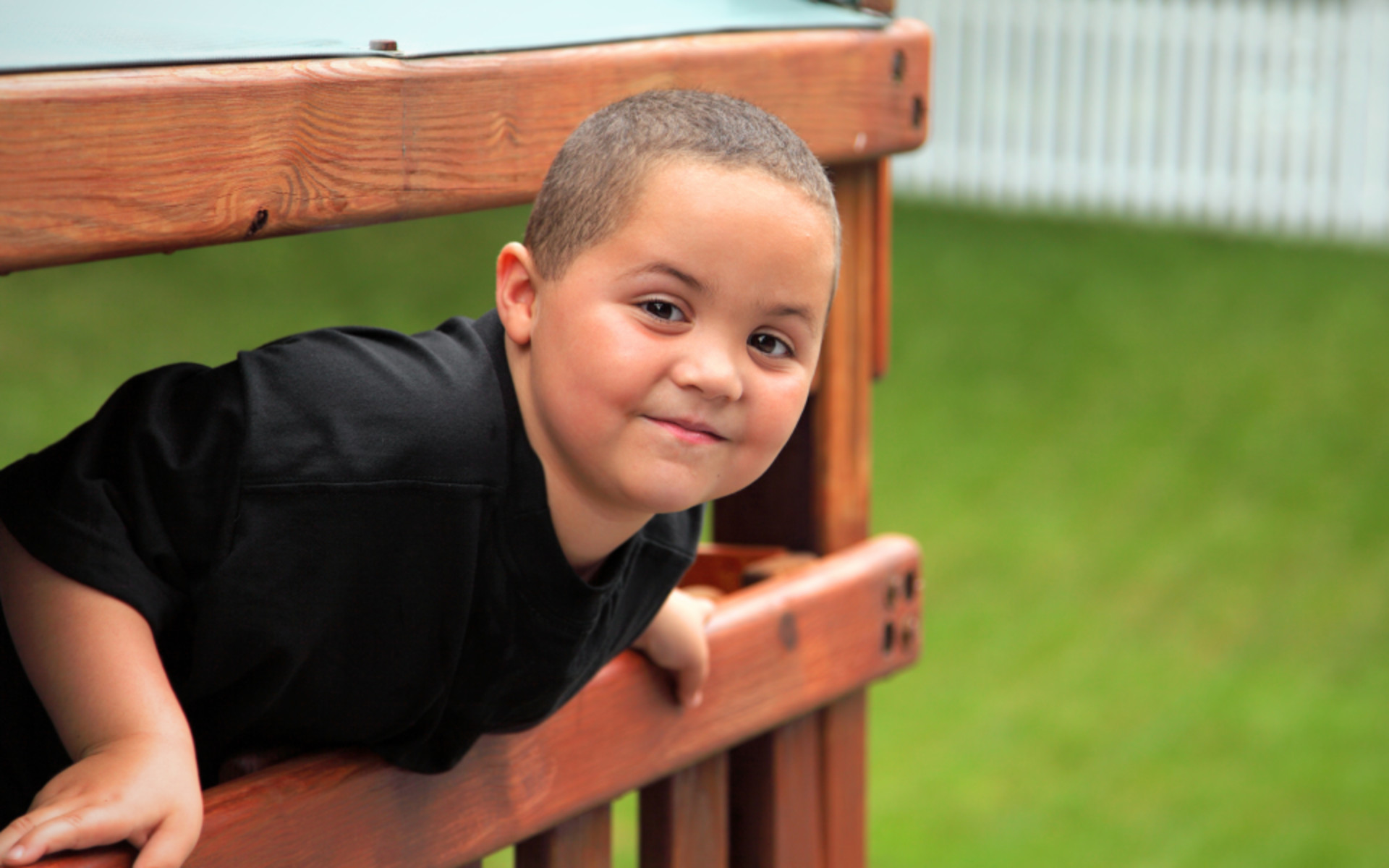
Children can experience the aches and pains of arthritic and autoimmune conditions, just like adults. However, their growing bodies require medical attention by specialists trained in the unique health and development needs of children.
At Boys Town Hospital, we specialize in the medical care, diagnosis and treatment of musculoskeletal disorders and autoimmune conditions in children. We work along pediatric specialists in several specialty services such as ophthalmology, gastroenterology, neurology, psychiatry and more, to offer a comprehensive approach to caring and treating childhood rheumatologic conditions.
Pediatric Rheumatology conditions we treat:
Juvenile Idiopathic Arthritis in children can present with a variety of symptoms and range of severity. The most common subtypes oligoarticular (few joints), polyarticular (many joints), systemic (fevers, rash, arthritis), enthesitis related arthritis (arthritis, tendon insertion pain, and back involvement), psoriatic arthritis (arthritis associated with psoriasis) and inflammatory bowel disease related arthritis.
Juvenile Dermatomyositis is an autoimmune disorder causing muscle inflammation, weakness and a characteristic rash often seen over knuckles, eyelids, face, elbows and knees.
Juvenile Systemic Lupus Erythematosus (SLE) is an autoimmune disorder impacting multiple organ systems. SLE often presents with sun sensitive rash, joint or muscle pain, arthritis, mouth sores, fatigue, and fevers. SLE can impact the kidneys, lungs, or the central nervous system.
Mixed Connective Tissue Disease is an autoimmune disorder often presenting with raynauds, arthritis, myositis, and rash. Some patients can have lung involvement.
Localized Scleroderma is the most common form of scleroderma in children which primarily causes linear bands or patches of skin thickening. Systemic Scleroderma is less common in pediatrics and can have more diffuse skin thickening with the addition or raynauds phenomenon, gastrointestinal, lung and cardiac involvement over time.
There are many forms of vasculitis. The symptoms vary primarily depending on the different sizes of blood vessels involved. Vasculitis can present with fevers, various rashes, kidney inflammation, lung inflammation, sinus symptoms, hypertension, and changes around the vessels off the heart.
Auto-inflammatory fever, also referred as periodic fever syndromes, are often genetic syndromes characterized by acute attacks of recurrent fevers without signs of infection. Patients often have rashes, musculoskeletal, ocular, and/or gastrointestinal symptoms during times of fever episodes. Between attacks patients are generally healthy.
Associated disorders that pediatric rheumatology helps co-manage:
Inflammatory disorder of the eye that can be seen in isolation but also in juvenile idiopathic arthritis and other systemic autoimmune disorders.
Changes to finger tips with cold exposure can be seen in healthy young adults, but also this can be associated with underlying autoimmunity.
Often related to joint laxity and overuse (hypermobility arthralgias) but can also be a manifestation of pain syndromes (amplified musculoskeletal pain, reflex neurovascular dystrophy), and patellofemoral syndrome. Many of the above disorders are treated with physical therapy, occupational therapy, and also may benefit from biofeedback with a desensitization and pain psychology focus.
Disorder often associated with blood clots in young adults. This can be seen in association with underling autoimmune disorders or in otherwise healthy individuals.
Pediatric Rheumatology services are available at the following locations
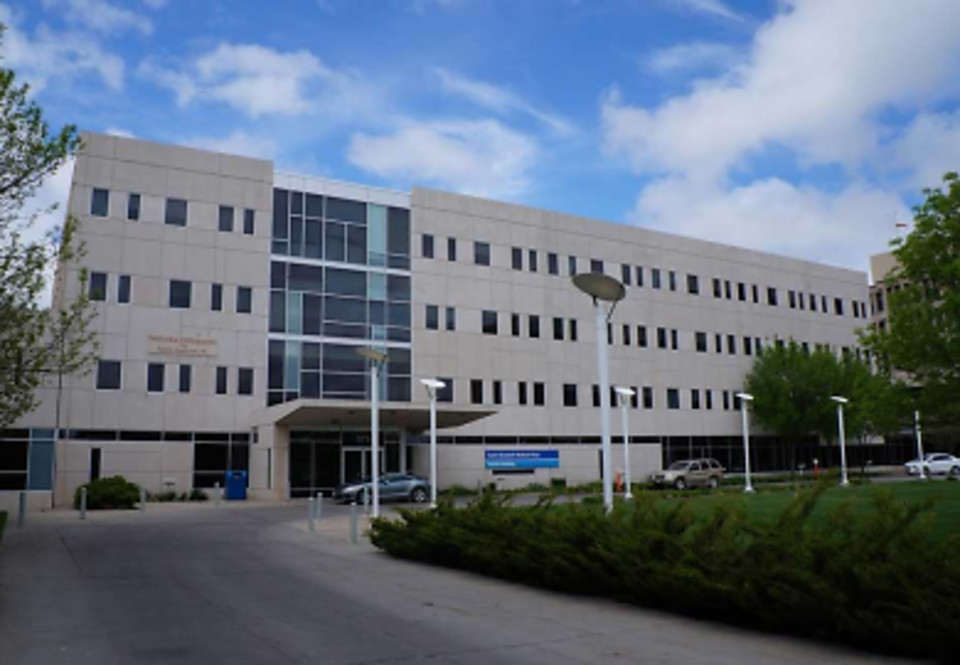
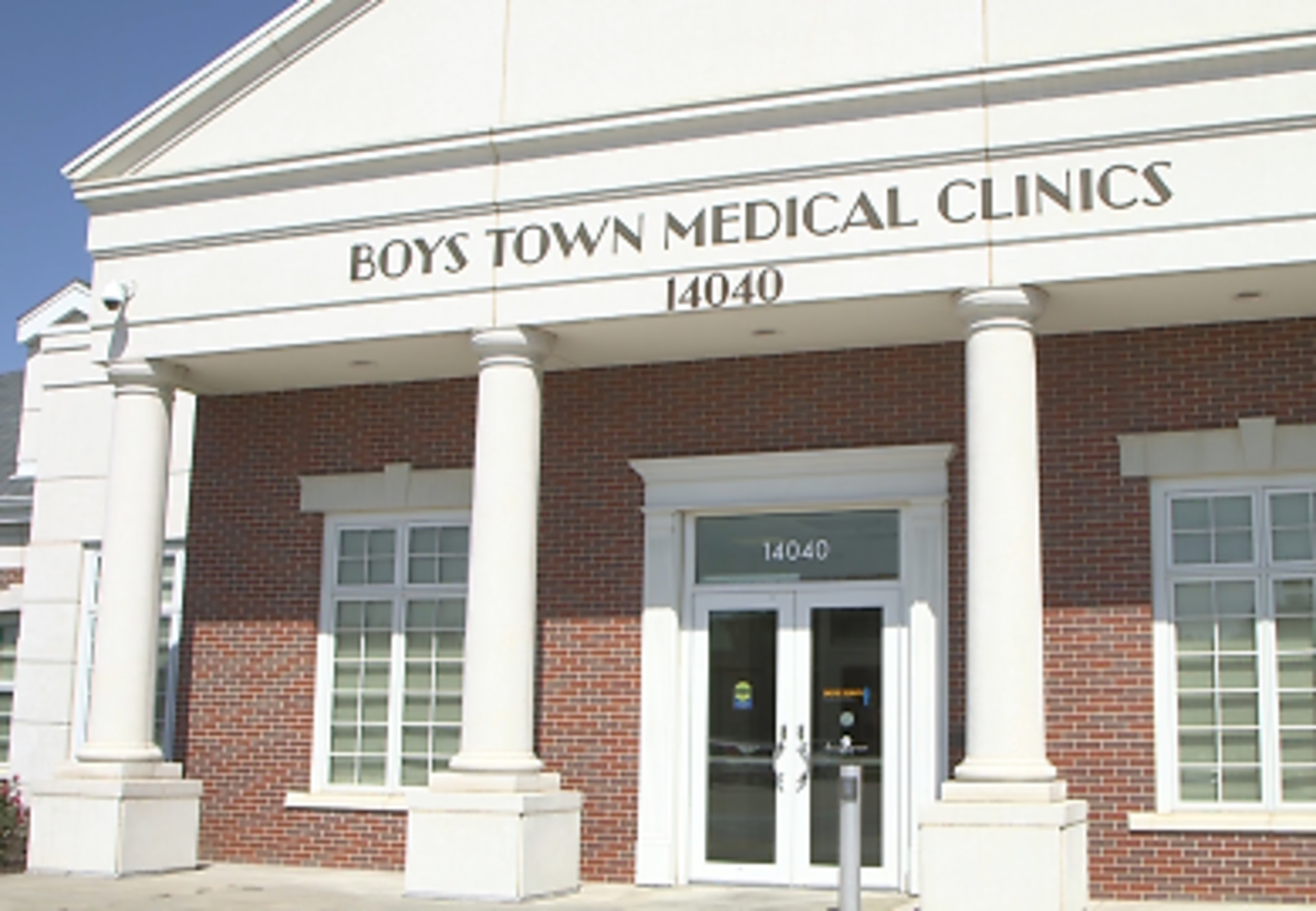 Pacific Street Clinics - 14040
Pediatric Rheumatology Physicians